Villa Visits
I'm just back from a trip to Tuscany this September 2026, a short loop (I'm going back in October) to see some old favourites, explore some hidden places, and see some new villas. I spent some time making video walkthroughs of some of the villas. It's a great way to give a better feel for the layout and feel of a place.
Montecarlo and the wine road
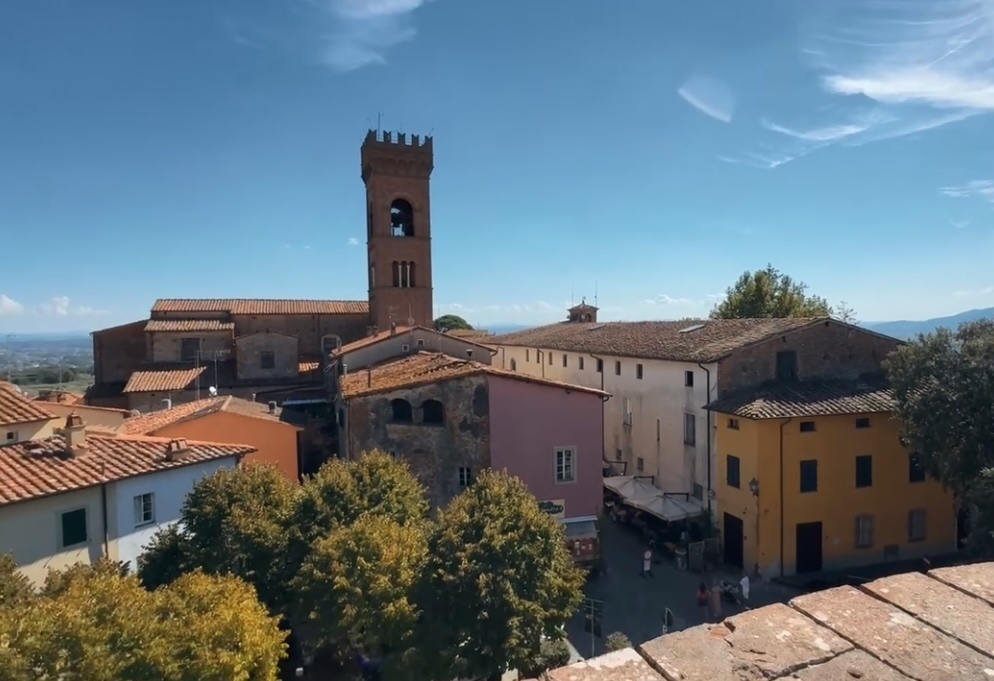
Lots of our guests in Villa di Mezzo have been to Montecarlo, and I recently realised I'd never been! So my first trip after landing in Pisa was to this little village about twenty minutes away from Lucca. It's a charming village with a triangular fortress at one end, a lively high street with restaurants and cafes, and beautiful views over the nearby hills, which are dotted with vineyards making excellent wine. The town has a strange history. It was built after the nearby town of Vivinaia was destroyed on the 25th of February 1331 by the Florentine army that was retreating after their unsuccessful siege of Lucca. The inhabitants fled to a nearby ancient fortress and were found here by the Emperor Charles in 1332, who rebuilt the town. The grateful inhabitants named the new town "Mons Charoli", the mount of Charles, which then turned into "Montecarlo".
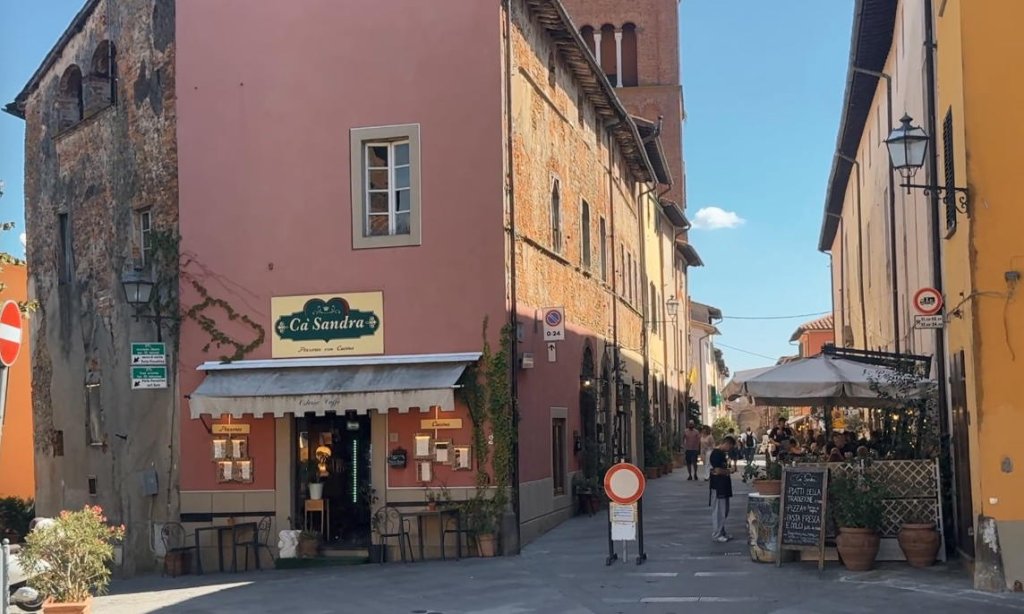
Today you can explore the old fortress, and a climb up on the battlement gives you an appreciation of the great defensive position of the village. But most visitors come to explore some of the great wine producers in the region, and there's a route to help you explore. I didn't have time to go for the drive, but you can find the itinerary here: Strada del vino e dell'olio di Lucca, Montecarlo e Versilia
San Miniato
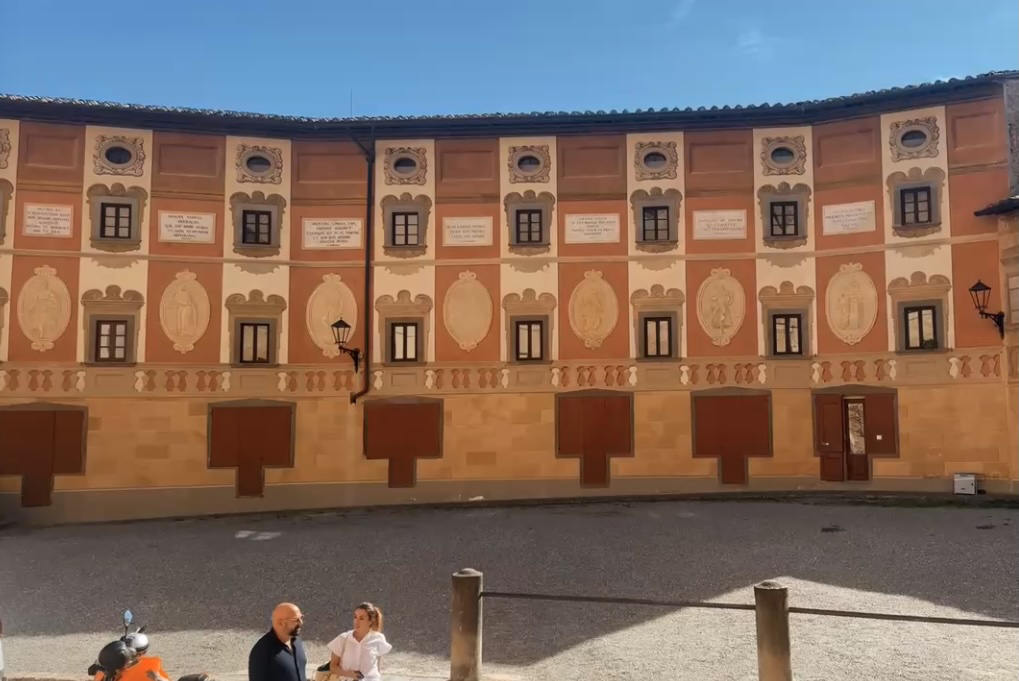
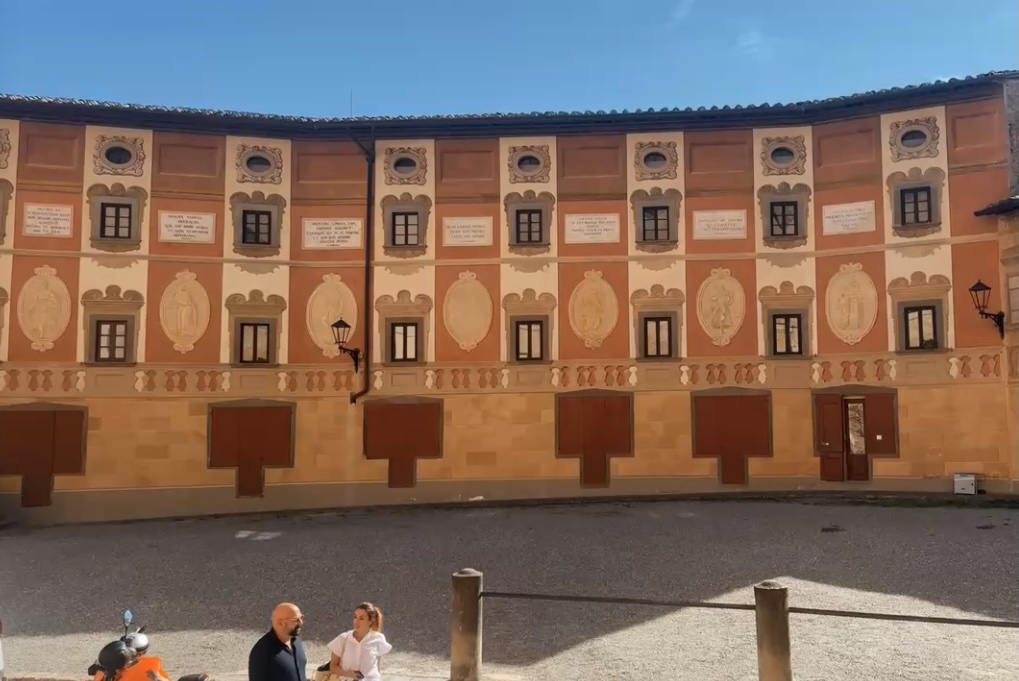
I made a quick stop at San Miniato, which is very close to Villa San Miniato. I'd been here a while ago, but it's always worth a further explore. It's a long town stretched out over two or three hilltops, and has some remarkably important architecture for a place that feels quite small. A quick look at its history makes you realise how important this place once was. It has been inhabited since the Palaeolithic era (which is no indication of importance, but is a very good clue as to what a good place for a settlement this was). It really grew with the Lombards in the 8th and 9th centuries (of course, the Lombards had a soft spot for Saint Miniato!), but it was later a favourite of the ruling German Imperial vicars, to the point that Rabodo, in 1116, is said to have made it the capital of Tuscany, replacing Florence.
Today, some of that glory remains woven through the town, with some impressive buildings. Some places worth visiting are:
- The church of San Domenico
- The Duomo
- The Tower of Frederick II
- The Diocesan Museum
- Palazzo Comunale
- Seminario Vescovile
After this I drove down to Arezzo, which would be my base for this trip.
Isola Maggiore
Guests in Castelonchio, Mulino or Podere Vocabolo often explore Lake Trasimeno and take the ferry to Isola Maggiore, so I thought I'd do the same. On my last visit to the lake I cycled all the way round it, but today I'd be going out to this little island to explore it.
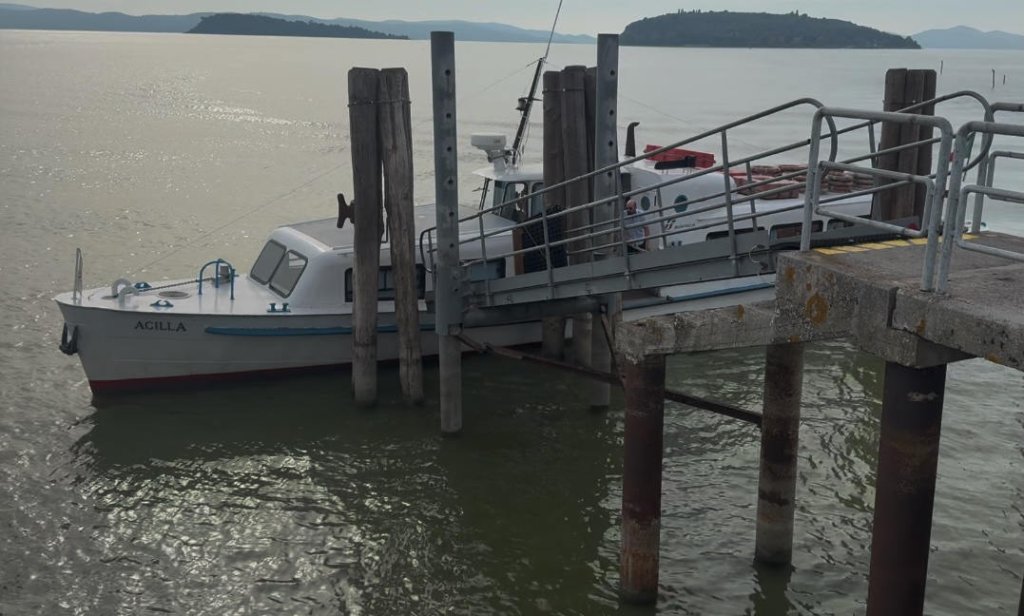
To visit Isola Maggiore, take a ferry from Tuoro sul Trasimeno, from a place called Punta Navaccia with a series of large sculptures called the Campo del Sole. The ferry takes about 20 minutes and costs around €10 for a return ticket. You can find more information here: TrasimenoLand Ferry information
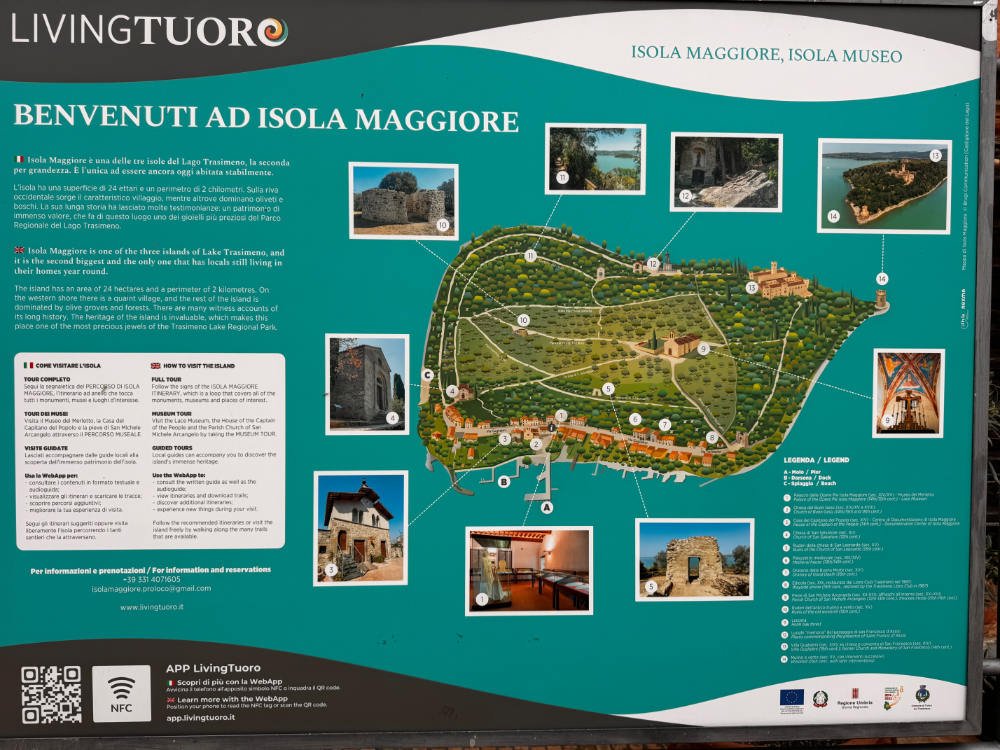
The island is so small that you can walk around it in an hour, but there's plenty to explore. There are a couple of circular paths that will allow you to see the churches, the lace museum and the Villa Guglielmi, but if you're feeling more relaxed, just enjoy a good lunch at one of the restaurants on the island.
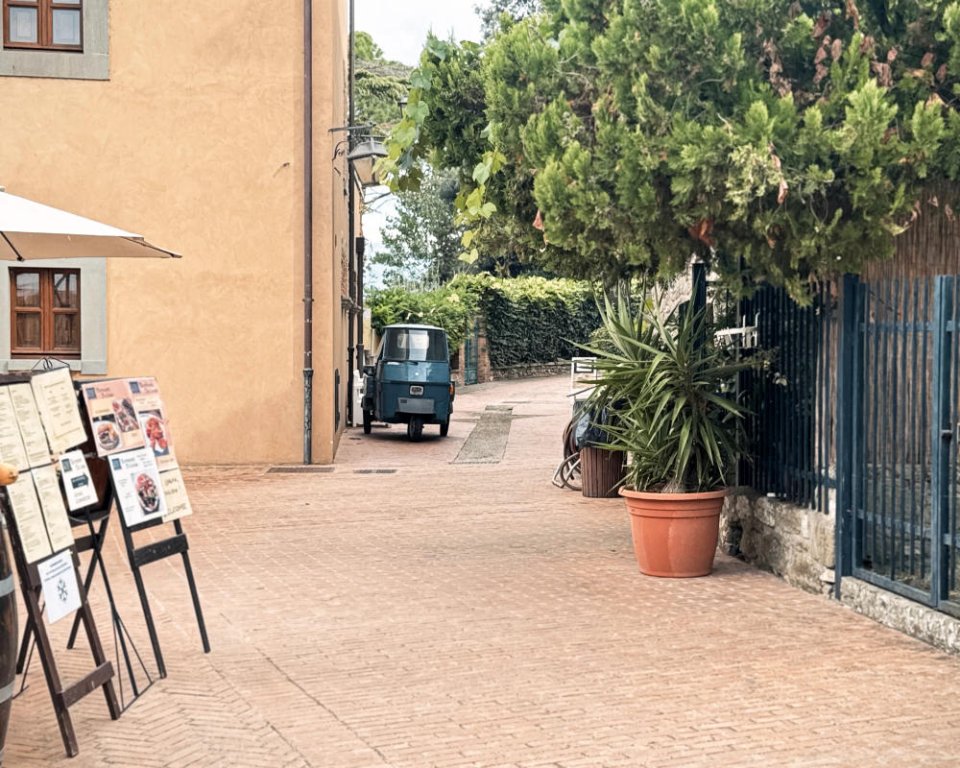
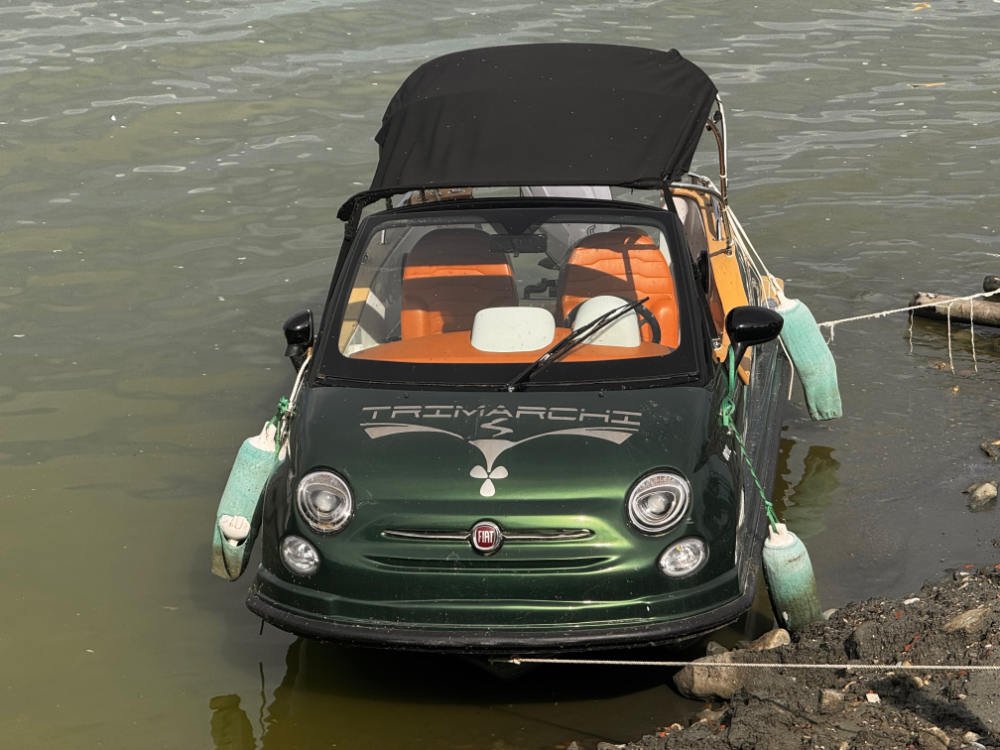
There are no cars on the island, but I did spot one car, bobbing away moored up to the island's jetty!
Cortona
After Isola Maggiore I went for a stomp up the alleyways and stepped streets of Cortona. Built on a steep ridge, the town has a charming high street with lovely restaurants and shops.
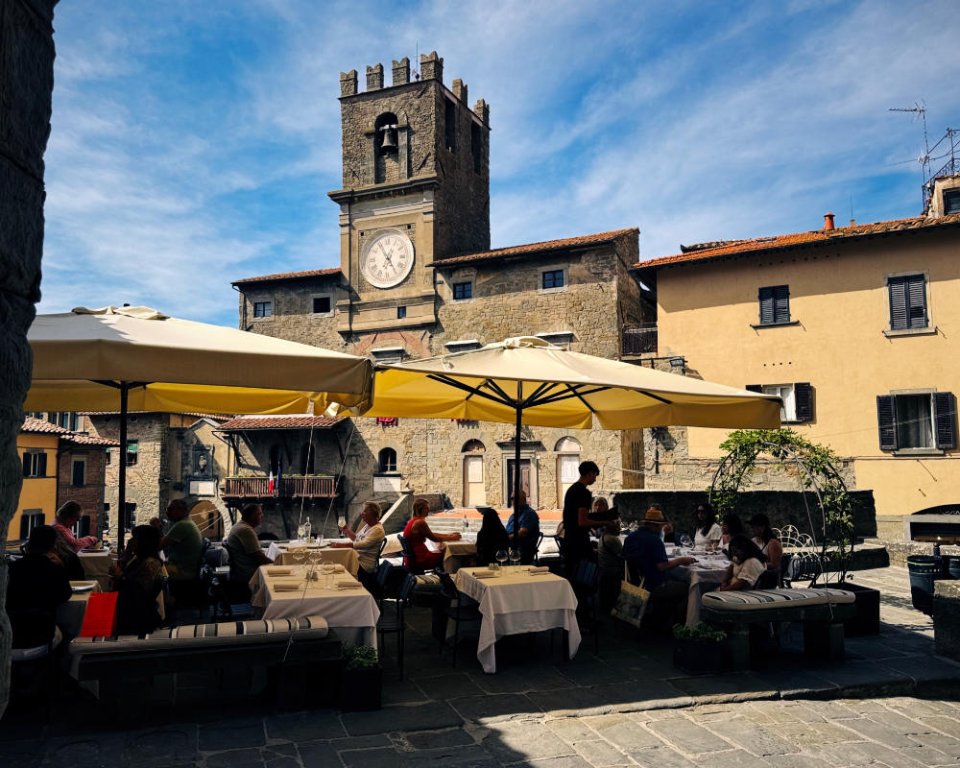
But for the more yomping minded, I can highly recommend climbing all the way through the town until you reach the fortress, where you'll find a tiny Osteria with a very good line in charcuterie, or 'tagliere di affettati e formaggi'.
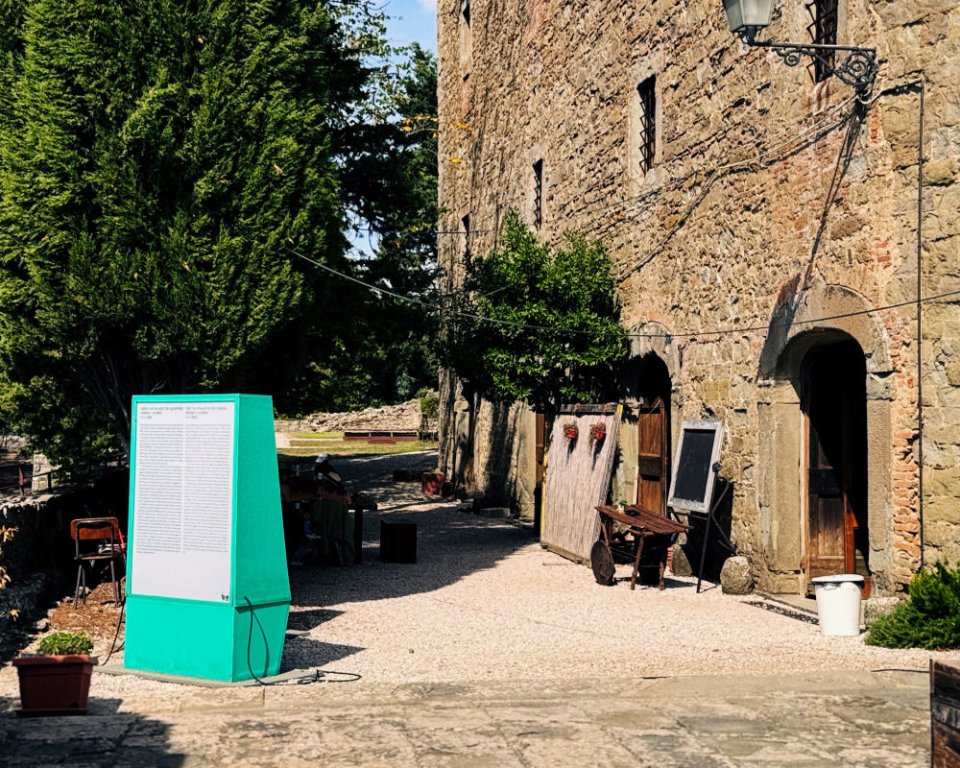
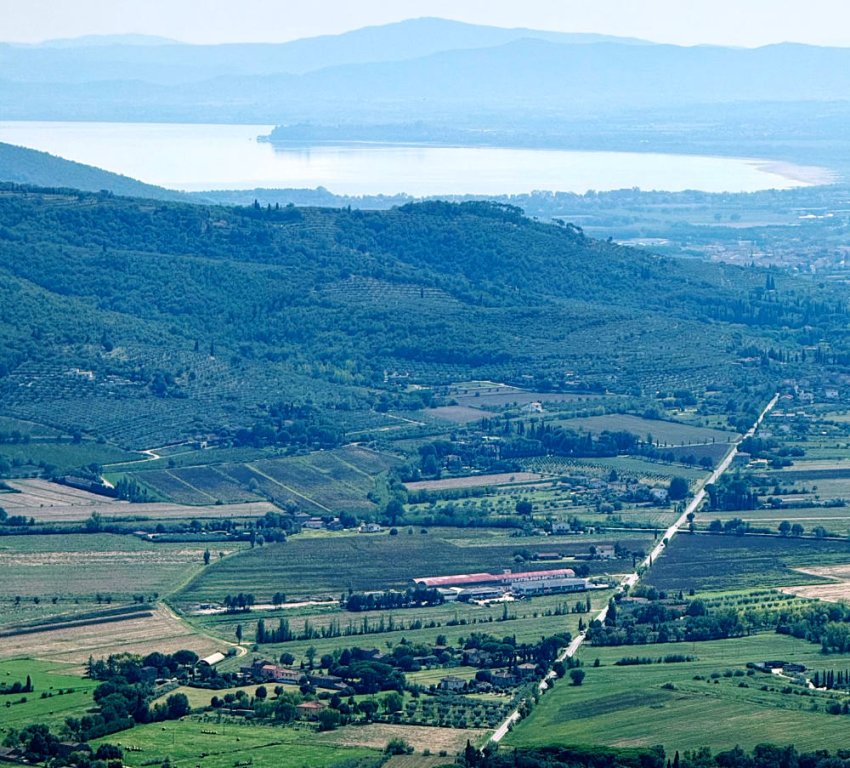
The walk is around a mile and climbs nearly 200m, but the views are fabulous from the top!
Preggio and Mulino
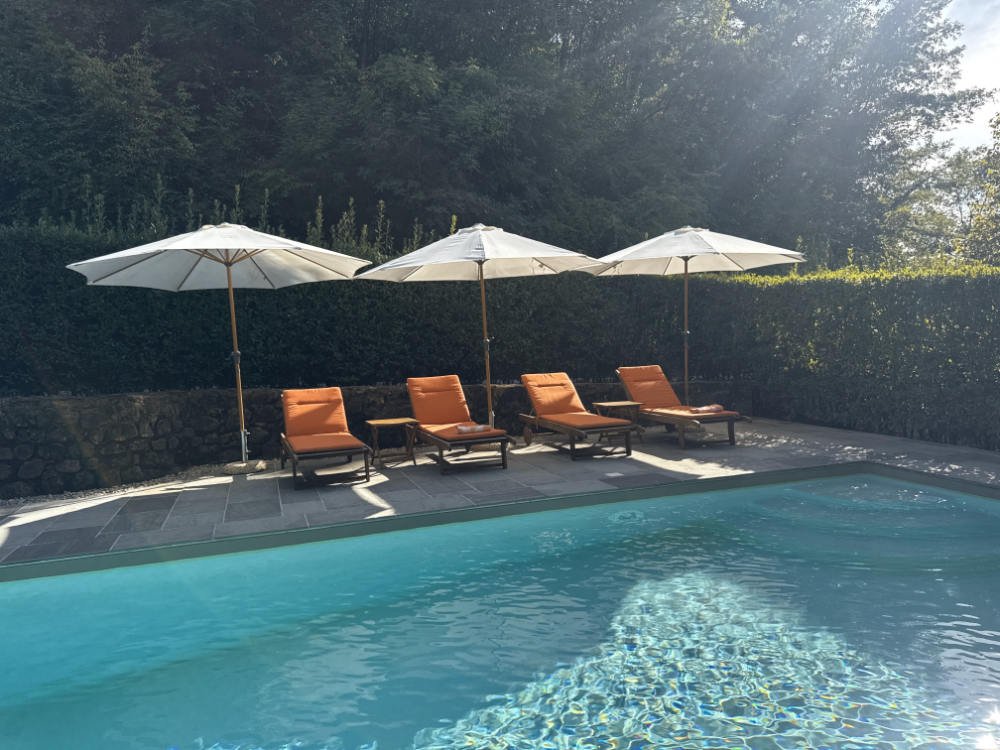
Now, finally, I'm off to see one of our houses. It's Mulino, a very popular converted mill for 6 in Umbria, below a small village called Preggio. I popped by Preggio first. It's a lovely village but sadly has no restaurant or cafe. Then I drove down the long gravel track to Mulino, where I made a video walkthrough of the house to help explain it to visitors. I think it's quite useful, and you can see it on the villa's page.
Trasimeno new villas
The next day, Tuesday the 22nd, was a day of exploring new villas on the shores of Lake Trasimeno. They were all excellent, which was a delight, and I'll publish them soon!
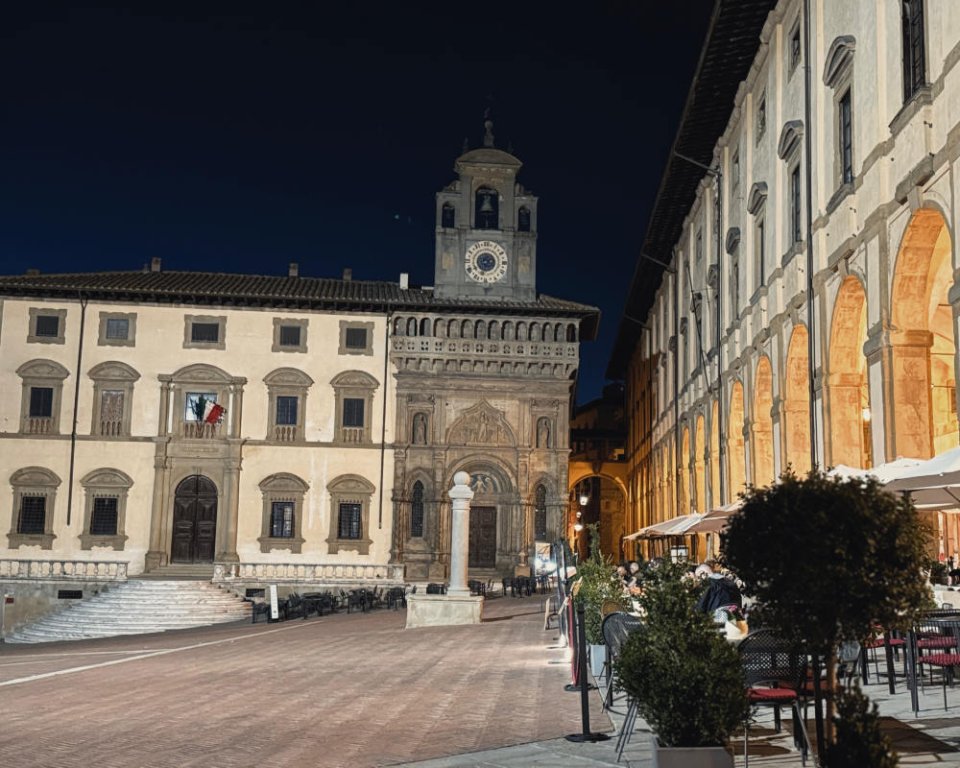
Arezzo by night
That evening I went for a walk around Arezzo at night. It really is a special city. I had a great meal in an Ocieria, a local trattoria that specialises in goose and duck.
Montestigliano
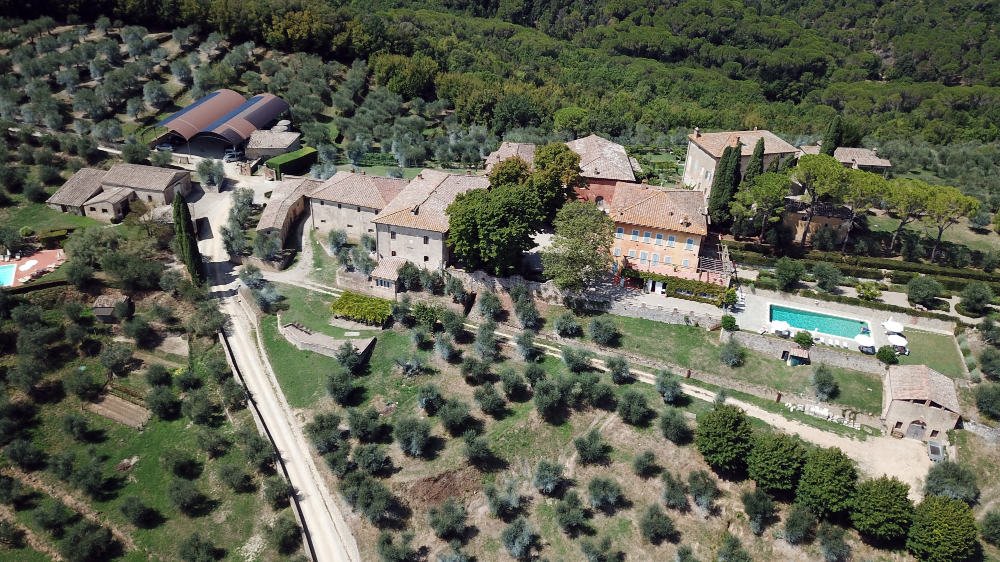
It's Wednesday, so it's Montestigliano. As I walked up the gravel drive towards the square and the office, I reflected on the fact that the first time I'd walked up that same gravel drive was in 1978! We've been working with Montestigliano and the Donati family for nearly 50 years. What I like best is that over all those years it's changed very little. The houses have improved and they've added a pool, but the general timeless feeling of the place has stayed the same, and it's a very comforting feeling.
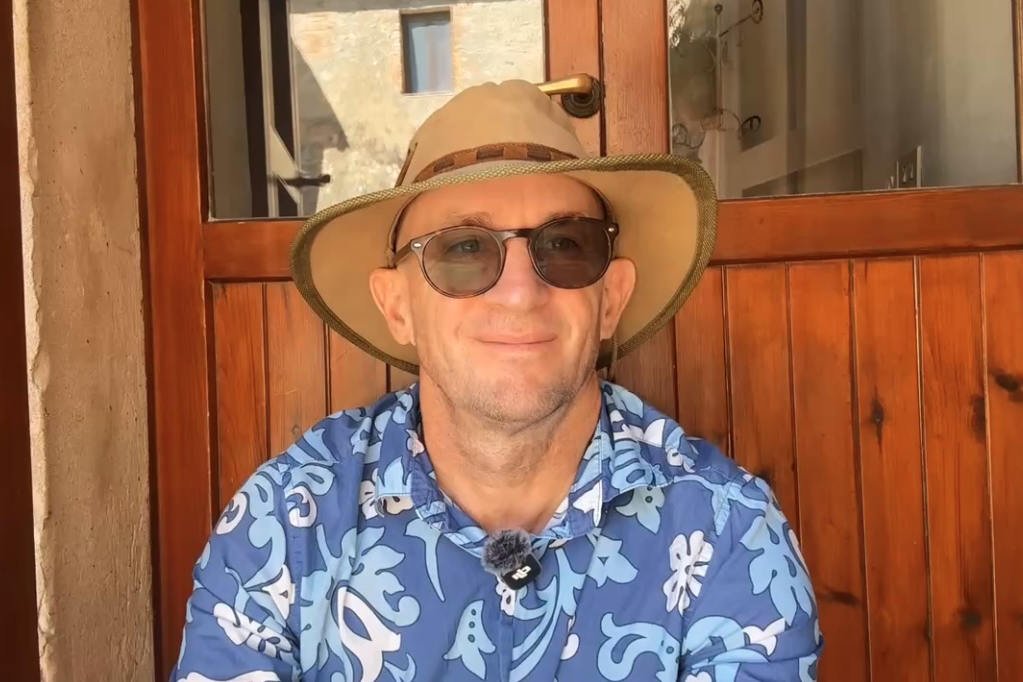
I was delighted to meet some of our clients there, also longstanding visitors. I think they've been coming, across generations, for at least thirty years. After a chat with Francesco, Damiano and Massimo, I made more video walkthroughs, exploring Luisa, Virginia A, Villa Donati, Emilio and Damiano.
Treggiaia
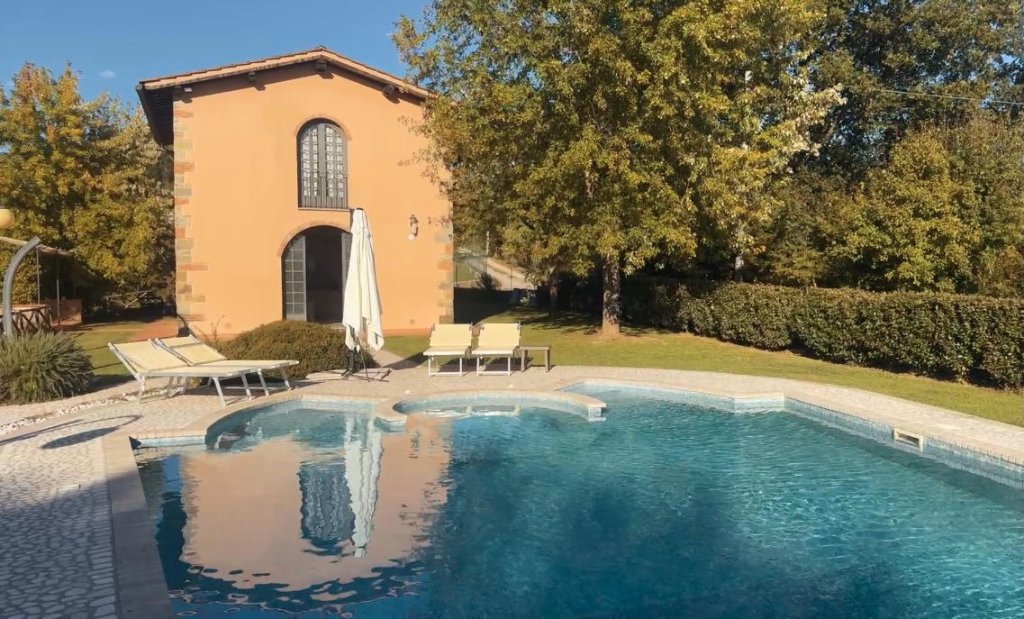
In the afternoon I was at Treggiaia, where I made another video walkthrough, and finally started to feel like I was getting to grips with how to do them. You can see this one on the villa's page too.
Settignano and Villa Gamberaia
It's Thursday, so I picked up an old school friend in Florence (we both went to the "Istituto Statale d'Arte" in Porta Romana) and we went to have a look at a property in Settignano. Settignano is a little village above Florence, south of Fiesole, and the views are fabulous. The flat we saw is great, but not ready yet. I'll publish it when it is, as it will be a great place for a couple to stay to explore Florence. There are buses into town, but you can also walk up into Settignano for a drink or a meal when you've had enough of the crowds.
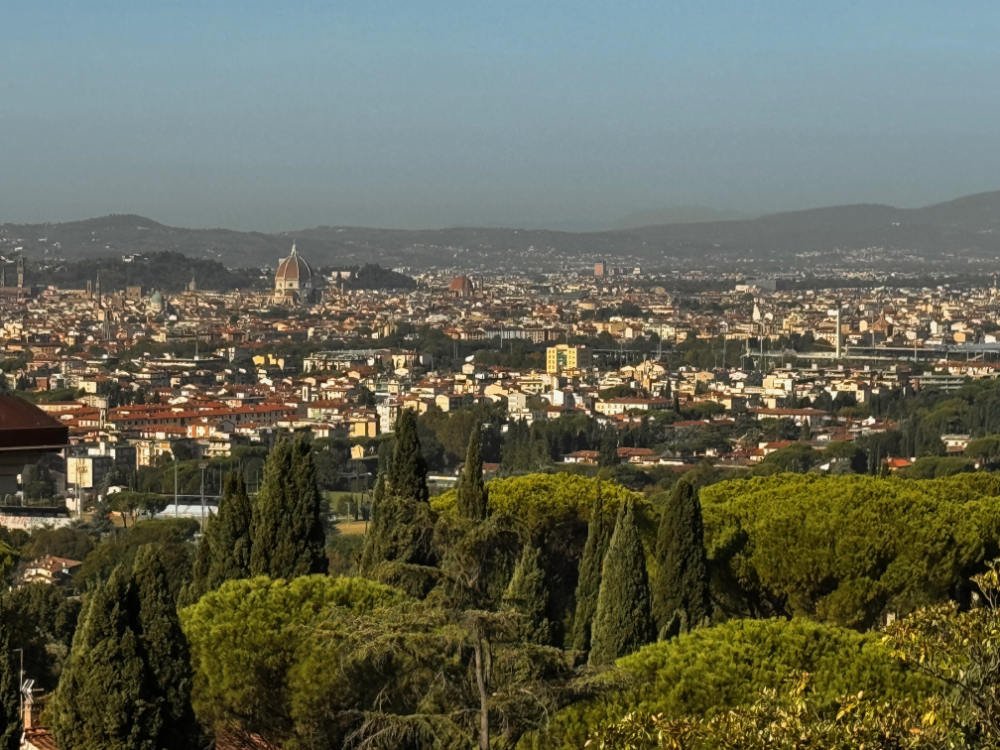
I had booked tickets to visit Villa Gamberaia after the flat visit. It's one of the great gardens of Tuscany, beloved by Edith Wharton, Bernard Berenson and more. I used to spend half my life with friends in Via del Loretino, just below the villa, and had never managed to see the gardens, so I was keen to see them today! You can book tickets here, but it's potluck whether they have private events running: Tickets to the gardens of Villa Gamberaia
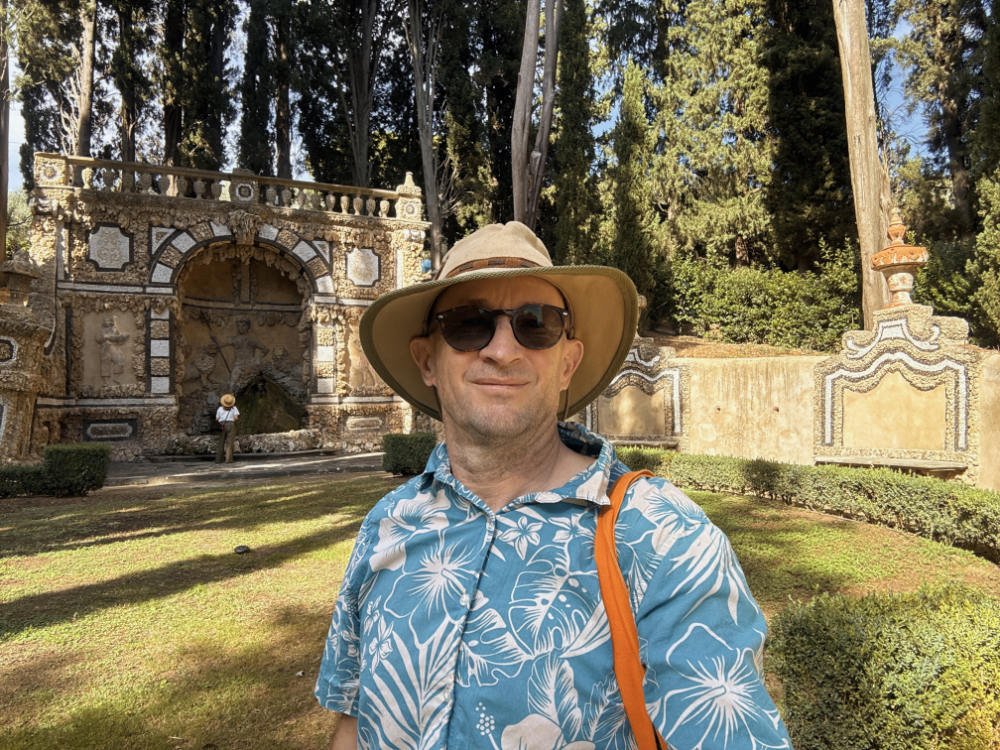
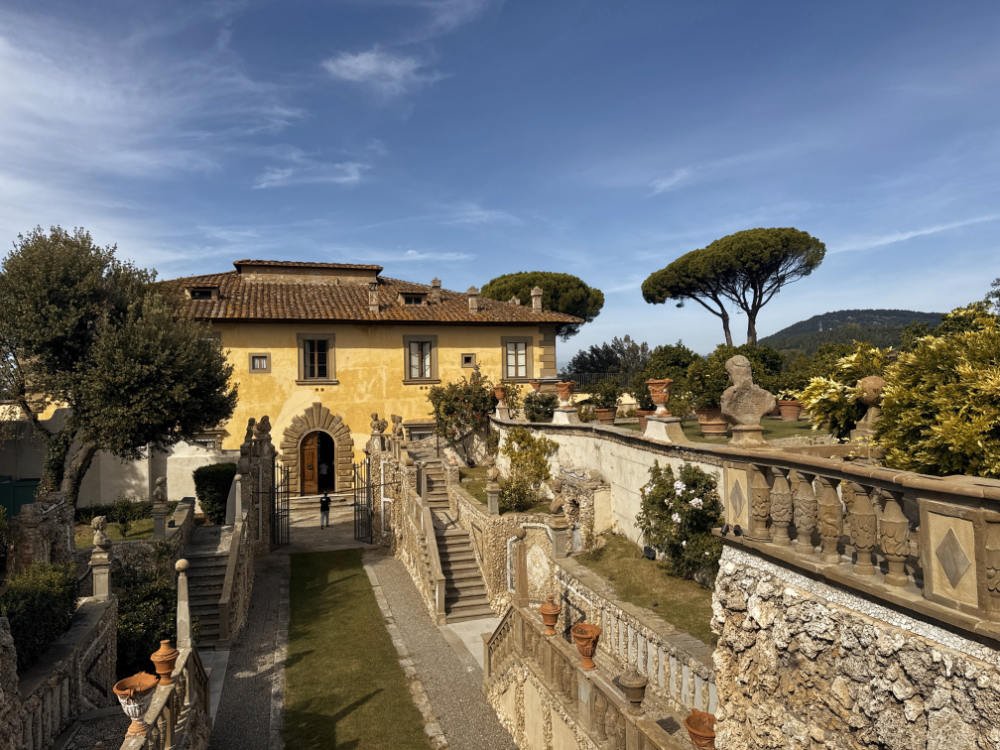
Rocca Ricciarda
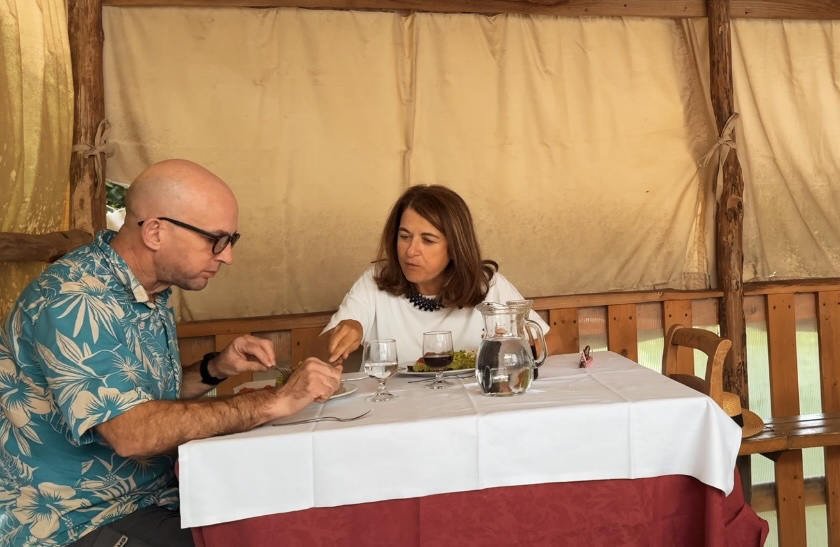
After Villa Gamberaia we had an appointment to visit Podere Gregorio, but we also needed lunch, and decided to head up into the mountains on a gamble. There's a little place called "Osteria La Rocca" in a tiny village called Rocca Ricciarda, about 1,000 metres up on Pratomagno. A bendy ribbon of a road led up from Loro Ciuffenna into the forests on Pratomagno, the trees changing as the height increased. When we hit the chestnut trees we knew we were getting high, as the road narrowed and the slope increased. Finally we reached the village, left the car and walked into the narrow streets to find the osteria and check if our luck was in. They only open on weekends, but some locals had asked them to open for a group meal, and our luck was in! It's a great place with no menu: you get what the cook decides. Today that was a large mix of antipasti, pappa al pomodoro, followed by homemade gnocchi and pasta (two separate dishes), then steak and something that I can't remember, topped off by fritelle of chestnut flour filled with ricotta and raisins. It was memorable. After the meal we had a little roll around the village, then off into the forest to see an antique mill and some great views. Highly recommended!
Podere Gregorio
Down the mountain and off to film Podere Gregorio. A couple who ar planning to get married here wanted a better view of the layout of the houses, and this seemed like a useful way to do it. We were shown around by the mother, who regaled us with her stories of buying trips to China in the 80s and notes on the history of the house, with its origins as a medieval watchtower and then as a home to Marsilio Ficino, a famous Renaissance philosopher and humanist. He translated many works of early Greek philosophers into Latin, giving a considerable impulse to Renaissance thinking.
Villa di Mezzo
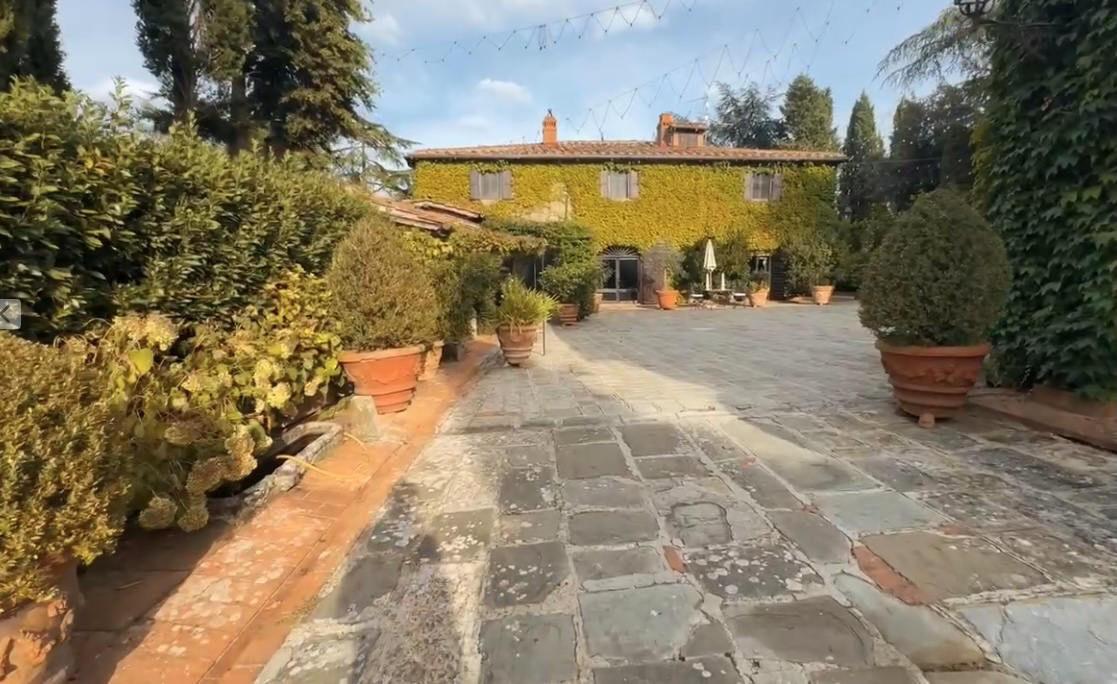
Friday is the last day, and I go to Villa di Mezzo, beautifully prepared by Sonia for my visit and filming. We opened the house up and I did a walkthrough. You can see the results on the villa page now.
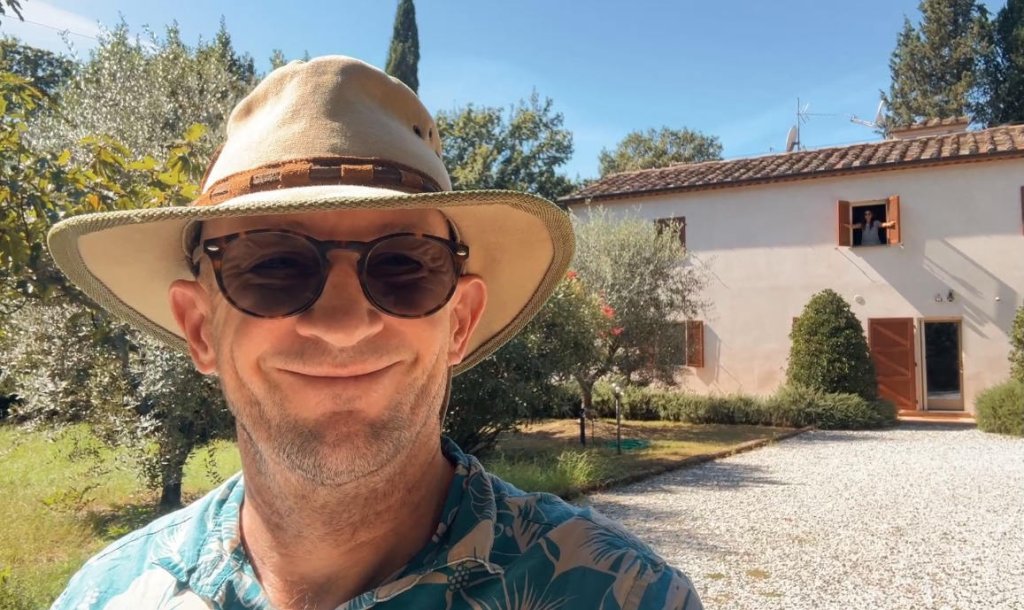
As with all my trips, I always love discovering new spots as well as going back to familiar haunts: finally seeing the gardens of Villa Gamberaia, the morning trip to Isola Maggiore, and the realisation of how many years I had been going back to Montestigliano. The magic of Tuscany still works on me. I hope it works on you!

Author: Dan Wrightson
Dan Wrightson grew up in Tuscany, Italy and has been writing about, sketching and exploring Tuscany and Italy since 1983.
13th Oct 2026 13th Oct 2026